
Talk with a ChartSpan Representative Today!
Our team is ready to help you improve patient care and outcomes.
Blog
Remote Patient Monitoring Explained: What Practices Need to Know

RPM at a glance:
- RPM extends clinical visibility between visits. Connected medical devices collect physiologic data and transmit it to your care team, helping you monitor trends and identify changes that may require follow-up.
- A successful RPM program requires more than technology. Your practice needs the clinical staff and workflows to manage devices, support patients, review incoming data, respond appropriately, and document services.
- RPM provides clinical value. Ongoing patient data can support more proactive chronic disease management.
- RPM can complement existing care management programs. When paired with CCM or APCM, remote data can inform established between-visit outreach, follow-up, and care coordination.
- Your staffing and infrastructure should guide how you implement RPM. Practices with established internal capabilities may only need RPM software, while those without sufficient clinical or operational resources may benefit from a full-service model.
Primary care and specialty practices are increasingly using Remote Patient Monitoring (RPM) to better understand what’s happening with patients between visits. But collecting patient data is only one part of a successful RPM program. Practices also need the clinical staff and workflows to review incoming readings, identify concerning trends, and follow up with patients when needed.
Without that infrastructure, RPM can quickly become another source of data for already-busy care teams to manage. Devices may be working and readings may be coming in, but if no one has the time or processes to consistently review and act on that information, practices may struggle to realize the clinical and financial value of the program.
That’s why successfully implementing RPM requires more than choosing the right technology. Practices need to think through patient selection, device logistics, staffing, escalation protocols, reimbursement requirements, and how remote monitoring will fit into existing care workflows.
For practices evaluating RPM, the most important question may not be which device or platform to choose, but whether your organization has the resources to turn incoming data into meaningful patient care. Understanding those operational requirements can help you determine how RPM fits into your broader virtual care strategy and whether your practice is better equipped to manage the program internally or with additional support.
What is Remote Patient Monitoring (RPM)?
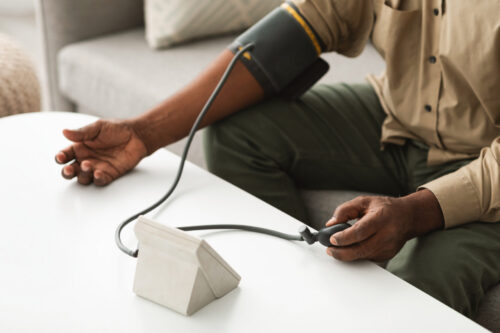
Remote Patient Monitoring (RPM) is a form of digital health that uses connected medical devices to collect physiologic patient data, such as blood pressure, blood glucose, weight, or oxygen saturation, and electronically transmit those readings to a healthcare provider for review. Rather than relying only on measurements taken during office visits, RPM allows care teams to monitor patient health over time and identify changes that may warrant follow-up or intervention.
For patients with chronic conditions, this ongoing stream of data can give providers a clearer picture of how a condition is progressing or responding to treatment between visits.
However, RPM is not a substitute for in-person care. It is a tool for improving longitudinal management of patients with chronic conditions by making relevant health data available to clinical staff on an ongoing basis.
What does an RPM program include?
A functioning RPM program is not just a set of devices. It is the combination of technology and the clinical workflows built around it.
The core components include:
- Device supply: Procuring, shipping, and verifying setup of devices meeting the FDA's definition of a medical device appropriate to each patient's condition
- Patient onboarding: Educating patients on correct device use, what their readings mean, and when to contact their care team
- Data transmission: Automated transfer of readings from the device to a clinical dashboard for staff review
- Clinical review: Qualified staff triaging incoming data, identifying readings outside defined thresholds, and determining the appropriate response
- Escalation protocols: Defined processes for responding to abnormal readings, including response timeframes, staff roles, and documentation requirements
- Documentation and billing: Time logs, consent records, and adherence data that support accurate CPT code submission
Each component requires deliberate operational decisions. Gaps in any one of them affect both patient care and reimbursement.
For many practices, these requirements make the real implementation question less about whether RPM is clinically useful and more about how it will be managed day to day. Some organizations have the internal staff and established workflows to run monitoring internally, while others need added support with enrollment, device management, data review, documentation, and reimbursement.
Patient populations that may benefit from RPM
RPM can be especially useful when changes in a measurable physiologic value can help your care team make decisions between visits. For practices deciding where to begin, several chronic conditions are common candidates:
- Hypertension: Home blood pressure readings can reveal trends that aren't apparent from periodic office measurements and help inform treatment adjustments. One large retrospective cohort study of 6,595 patients found that participation in an RPM hypertension program was associated with an average 7.3 mmHg reduction in systolic blood pressure.
- Heart failure: Changes in weight and other physiologic measures can provide early indications of fluid retention or worsening disease, giving your care team an opportunity to evaluate patients before symptoms become more severe.
- Diabetes: Regular glucose data can reveal patterns that A1C alone cannot, helping your care team evaluate glycemic control and make more informed treatment decisions.
- COPD and other respiratory conditions: Oxygen saturation and other relevant data can provide additional visibility into changes in respiratory status between visits.
Your practice doesn't need to launch RPM across every eligible population at once. Starting with a condition that has a clear monitoring objective, an appropriate patient population, and actionable physiologic data can make it easier to establish workflows and evaluate results before expanding your program.
How does RPM work?
Remote Patient Monitoring creates a continuous flow of physiologic data between your patients and their care teams. Patients take readings at home using connected medical devices, and that data is automatically transmitted to an RPM platform where your clinical staff can monitor trends, identify readings that require attention, and determine when follow-up is appropriate.
Making that process work consistently requires much more than connecting patients to devices. Your practice needs defined processes for identifying and enrolling appropriate patients, managing devices, educating patients, reviewing incoming data, escalating clinical concerns, documenting services, and meeting reimbursement requirements.
The technology makes remote monitoring possible; the workflows surrounding it determine how effectively that information becomes part of your patients’ ongoing care.
1. Identify and enroll appropriate patients
The process begins with identifying patients who are both clinically eligible and likely to benefit from ongoing monitoring. Medicare eligibility extends to patients with acute and chronic conditions that could benefit from a remote monitoring device, but eligibility alone does not determine whether someone is a good candidate for RPM.
Once you identify candidates, you must obtain and document consent before services begin. For patients who have not been seen by the billing provider within the past year, an initiating visit may also be required. Your team or your RPM partner should explain what participation involves, how frequently patients will need to use their device, and how the resulting data will inform their care.
2. Select and distribute devices
Device selection should account for more than the clinical measurement that is needed. Your practice should also consider connectivity, ease of setup, patient technical comfort, device cost, and the amount of troubleshooting each option may require. Providers make the final decision on what device a patient receives.
You also need a plan for the full device lifecycle, including procurement, distribution, activation, troubleshooting, replacement, and returns. These responsibilities can require significant coordination as enrollment grows, making device logistics an important consideration when determining how your RPM program will be staffed and managed.
3. Onboard and educate your patients
Your patients need to understand how to use their devices correctly, how often to take readings, and what to do if they experience problems. They should also understand the purpose of monitoring and when to contact your care team or emergency services rather than waiting for someone to respond to a reading.
Clear onboarding can help your patients become comfortable with the technology and establish a consistent monitoring routine.
4. Transmit and review patient data
Once monitoring begins, patient readings are electronically transmitted to your RPM platform for review. Your clinical staff can use this information to identify trends, recognize readings outside established parameters, and determine when patient outreach or additional clinical attention is appropriate.
This is what turns RPM from data collection into patient care. Your practice needs clear ownership of incoming data, including who reviews it, how frequently it is reviewed, and how concerning readings are handled. If you don’t have the staff internally to review this data, you may need to partner with an organization who can review the data for you and share changes you need to be aware of.
5. Respond, document, and bill
When readings require clinical attention, predefined escalation protocols should determine who responds, how quickly, and when an issue needs to be escalated to a provider. Building these protocols into your RPM workflow helps your team manage incoming data consistently while ensuring clinicians are alerted when their attention is needed.
Your practice also needs documentation processes that capture the information required for reimbursement, including applicable device data, patient interactions, and clinical staff time. Because RPM billing requirements vary by CPT code, establish your documentation and billing workflows before the program scales.
From there, RPM becomes an ongoing cycle of data collection, clinical review, patient follow-up, and documentation that extends your visibility into patients’ health between office visits.
Who is eligible for RPM?
Medicare eligibility considerations
Medicare covers RPM for beneficiaries with acute and chronic conditions. Coverage requires documented patient consent prior to beginning services, and an initiating visit is required for patients who have not been seen by the billing provider within the past year. Patients are responsible for applicable coinsurance and deductibles.
Patient characteristics that support program success
Some patients who are eligible may not be prepared to capture their readings regularly enough to benefit from RPM. Before enrolling a patient, consider:
- Motivation: Patients who understand why monitoring matters and are engaged in managing their condition are more likely to take readings consistently.
- Device literacy: Patients who are comfortable with basic technology or who have support at home to assist with setup will encounter less friction.
- Home connectivity: Patients without reliable Wi-Fi or a smartphone may struggle with Bluetooth-dependent devices. Cellular-connected devices reduce this barrier but give patients less access to their own data via their phone. It’s important to confirm which option works best for each patient before enrollment.
- Health literacy: Patients who understand what their readings mean and what to do when readings are abnormal are better equipped to participate effectively.
Selecting the right patients from the start can reduce adherence problems downstream. This is particularly important for Medicare reimbursement, as RPM device-supply codes have specific requirements for the number of days physiologic data is collected and transmitted within a 30-day period. Your patients need to be willing and able to use their devices consistently enough to support both effective monitoring and the requirements of the services your practice bills.
Choosing the right RPM devices
Device selection is one of the most consequential early decisions in an RPM program, and one of the most operational.
RPM device requirements for Medicare reimbursement
For Medicare reimbursement, an RPM device must meet the FDA's definition of a medical device and digitally collect and automatically transmit physiologic data to the provider. Patient-reported readings or information that patients manually enter into an app generally do not satisfy RPM device requirements.
FDA requirements vary based on how a device is classified and regulated. Your practice should confirm that any device used for reimbursable RPM services meets applicable FDA requirements and CMS criteria before incorporating it into your program.
Beyond regulatory requirements, devices should reliably collect and transmit the data needed for ongoing monitoring. Connectivity, ease of use, accuracy, and integration with the RPM platform can all affect how successfully a device functions in practice.
Cellular vs. Bluetooth-connected devices
How an RPM device connects can affect everything from patient setup and adherence to the amount of technical support a practice needs to provide. Two common approaches are cellular and Bluetooth connectivity.
Cellular-connected devices transmit readings directly over a cellular network without requiring the patient to pair the device with a smartphone or connect to home Wi-Fi to download an app. Fewer setup steps can make these devices easier for patients to use consistently and reduce connectivity troubleshooting for the care team.
However, performance depends on the cellular coverage available where the patient uses the device. Practices should also consider connectivity costs and whether the device can maintain reliable transmission across their patient population.
Bluetooth-connected devices typically pair with a smartphone, tablet, or gateway that then sends readings to the RPM platform. This can provide a cost-effective option and greater data visibility for patients who already have compatible technology and are comfortable using it, but it adds another connection that must work properly. App permissions, pairing issues, phone compatibility, and internet access can all interrupt the path between taking a reading and getting that data to the care team.
For practices evaluating devices, the most important consideration is not simply cellular versus Bluetooth, but how reliably and easily each device can get data from the patient to the care team. Coverage, patient technical comfort, setup requirements, security, and ongoing support needs should all factor into the decision.
Supporting successful device adoption
The device setup process can create added friction for patients. Multiple activation steps, unfamiliar technology, unclear instructions, or difficulty troubleshooting problems can make it harder for patients to establish a consistent monitoring routine.
You can reduce that friction with clear onboarding, confirmation that the device is transmitting correctly, and accessible support when problems arise. Your practice should also have a process for identifying patients who stop transmitting readings so device or patient engagement issues can be addressed early.
The goal is to make remote monitoring as easy as possible to incorporate into the patient's routine. The fewer obstacles patients encounter when setting up and using their devices, the more likely they are to participate consistently over time.
Device logistics and ongoing support
Device management extends well beyond getting a device into a patient's hands. Your practice needs processes for procurement and inventory, shipping and tracking, activation, troubleshooting, replacements, and eventually returns or reassignment. As enrollment grows, managing those logistics across hundreds or even thousands of patients can require significant coordination.
You also need visibility into devices that stop transmitting. A gap in readings could indicate a connectivity issue, a malfunctioning device, or a patient who has stopped monitoring, and each requires a different response. Without a clear process for identifying and resolving these issues, gaps can persist and affect both patient monitoring and reimbursement.
If your practice is evaluating RPM, device logistics should be considered part of the ongoing program, not simply an implementation task. Before scaling enrollment, determine who will manage the device lifecycle, how issues will be identified, and who will provide support when patients need help.
Benefits of Remote Patient Monitoring
RPM can create value on both sides of the care relationship. Your patients gain a more convenient way to stay connected to their care between visits, while your practice gains additional clinical insight and new opportunities to support proactive, financially sustainable care.
Benefits for your patients
More proactive care: Regular monitoring can help your care team identify changes that may warrant attention before your patient’s next scheduled visit. For example, a pattern of rising blood pressure readings can prompt outreach or a medication review before the issue becomes more serious.
Greater convenience and involvement in care: Patients can share important health information from home rather than relying exclusively on measurements taken during office visits. This can be especially valuable for patients managing multiple chronic conditions, facing transportation challenges, or requiring frequent monitoring.
Potentially fewer hospitalizations and unnecessary visits: When changes are identified and addressed earlier, RPM may help prevent some conditions from progressing to the point that they require acute care. One large-scale study found a 59% reduction in hospital admissions among patients enrolled in RPM.
Benefits for your practice
A clearer picture of patient health between visits: Instead of making decisions based primarily on measurements captured during periodic appointments, your care team can evaluate trends across days or weeks. That additional context can inform treatment decisions, medication adjustments, and follow-up.
Support for value-based care goals: More proactive management of chronic conditions can support efforts to improve quality measures and reduce avoidable utilization. For organizations participating in risk-sharing arrangements or population health programs, those improvements can also contribute to broader performance goals.
More consistent connection with your patients: RPM creates additional opportunities to engage patients outside scheduled appointments. Timely outreach based on their actual health data can reinforce continuity and help patients stay engaged with their care plans.
Recurring reimbursement opportunities: Medicare reimburses qualifying RPM devices and clinical management services through a defined set of CPT codes. That can create an additional source of recurring reimbursement for your practice while supporting care that takes place between office visits.
Why RPM works well alongside CCM and APCM
RPM gives your practice additional insight into what is happening with patients between visits, but your team still needs a way to incorporate that information into ongoing care. This is where other care management programs can be especially valuable.
Chronic Care Management (CCM) supports ongoing care coordination for Medicare patients with multiple chronic conditions, while Advanced Primary Care Management (APCM) provides a broader approach to longitudinal primary care based on a patient's complexity. Although the programs have different requirements and reimbursement structures, both establish between-visit workflows that can provide a natural foundation for RPM.
If your practice doesn’t currently offer either of these programs, you can also explore launching one or both alongside a new remote patient monitoring program.
Learn more: Ensuring Continuity of Care Through CCM, Transitional Care, and RPM
How CCM and APCM support RPM
If your practice already offers CCM or APCM, your care team is regularly engaging patients, reviewing their needs, coordinating care, and following up between office visits. Adding RPM gives that team another source of timely clinical information to inform those interactions.
For example, a care manager reviewing a patient's blood pressure trends ahead of a scheduled check-in can address a concerning pattern during the call, coordinate with the provider when needed, and incorporate the information into ongoing care. Instead of creating an entirely separate monitoring workflow, RPM can add another layer of clinical visibility to care your team is already providing.
CCM and APCM provide ongoing care; RPM can help inform that care.
If your practice does not already have a CCM or APCM program, that doesn't mean you can't offer RPM. But you should consider whether you have the clinical staff and workflows needed to review incoming data, engage patients, and respond consistently between visits. Without that foundation, RPM adds new monitoring responsibilities that your existing team will need to absorb.
This relationship is why RPM can be more valuable when considered as part of your broader longitudinal care strategy rather than as a standalone technology. ChartSpan offers RPM alongside CCM and APCM so practices can connect remote patient data with the ongoing care management needed to act on it.
Billing considerations when running RPM alongside CCM or APCM
If your practice offers RPM alongside CCM or APCM, each program's billing requirements still need to be met independently. RPM may be billed concurrently with CCM for the same patient when the requirements for each service are met and the same time and effort are not counted twice. This can include RPM treatment management codes CPT 99457 and 99458.
However, ChartSpan takes a different approach when layering RPM onto CCM. Rather than billing clinical review and care management time under 99457 and 99458, ChartSpan bills qualifying RPM device services separately and documents applicable care management time under CCM codes 99490 and 99439. This allows RPM data to inform the broader, multi-condition care management already being provided through CCM without billing the same work under both programs.
RPM device-related services are billed separately under their applicable codes. CPT 99453 covers initial device setup and patient education, while CPT 99454 and 99445 cover device supply and transmission of physiologic data when its requirements are met.
APCM requires a different approach because HCPCS G0556, G0557, and G0558 are monthly bundled services and are not billed according to minutes of care management. If your practice provides RPM alongside APCM, confirm whether the specific RPM service is separately payable based on the applicable code requirements, your practice setting, and current CMS billing guidance. In most cases, you can bill the APCM care management codes separately alongside the RPM device supply and transmission codes.
For RPM and CCM in particular, documentation should clearly distinguish the work performed under each program. When your practice bills RPM and CCM concurrently, CMS guidance on remote monitoring specifies that the same time and effort cannot be counted toward both services. Your documentation should clearly distinguish the activities performed under each program.
Learn more: Care Management ROI: What Practices Can Expect
Common challenges of implementing an RPM program
Even a well-designed RPM program can encounter problems once patients are enrolled and data begins flowing. The most common challenges tend to occur where technology meets day-to-day operations: keeping patients engaged, keeping devices connected, reviewing a growing volume of data, responding consistently, and documenting services appropriately.
Planning for these challenges before your program scales can help you protect both the clinical and financial value of RPM.
Enrollment doesn't always translate to participation
A patient can be clinically appropriate for RPM and still struggle to participate consistently. Some patients have difficulty incorporating readings into their routine, while others lose interest after enrollment or need more technical support than anticipated.
That makes practical readiness an important consideration alongside clinical eligibility. Before enrolling a patient, consider their willingness to participate, comfort using the device, home connectivity, and available support. Once monitoring begins, your team also needs visibility into participation so you can reach out to patients who stop taking or transmitting readings.
Device issues can interrupt monitoring
Getting a device into your patient's hands doesn't guarantee that usable data will reach your care team. A device may never activate, stop transmitting unexpectedly, lose connectivity, malfunction, or need replacement. As enrollment grows, determining which devices aren't transmitting (and why) can become a significant coordination challenge.
Your RPM workflow should provide visibility across the device lifecycle so your team can identify interruptions and distinguish a technical issue from patient disengagement. The sooner you know why readings have stopped, the sooner the appropriate next step can be taken.
Patient engagement can decline over time
Even patients who start strong with monitoring may become less consistent over time. Monitoring can fall out of a patient's routine, questions can go unanswered, or the value of taking regular readings may become less apparent when the patient feels well.
Successful RPM programs therefore treat patient engagement as an ongoing activity rather than something completed during onboarding. Your team needs a way to identify declining participation, follow up when readings stop, answer questions, and reinforce why continued monitoring matters.
Data volume can outpace your clinical capacity
A monitoring workflow that works for 25 patients may look very different with 250. As enrollment grows, the increase in readings your team receives directly leads to more trends, exceptions, patient questions, follow-up, and potential clinical concerns to manage.
Problems emerge when that work is added to existing clinical responsibilities without accounting for the additional capacity required. Data may be reviewed inconsistently, follow-up can be delayed, and providers or the care team may miss critical patient information.
Before scaling your program, determine who owns data review, how monitoring fits into their existing responsibilities, and how much patient volume your staffing model can realistically support. If you do not have enough existing staff to offer continual monitoring, you may need to partner with a healthcare organization that provides clinical staff for RPM.
Unclear escalation pathways lead to inconsistent responses
An abnormal reading only becomes actionable when there is a clear process for determining what happens next. Without defined escalation criteria, similar readings may receive different responses depending on who reviews them. Providers may be pulled into issues that could have been handled by the care management team, while unclear ownership can delay attention to readings that require clinical review.
Your workflow should define which readings require action, who handles initial triage, when an issue reaches the provider, and how quickly each level of response should occur. That creates a consistent path from incoming data to triage to appropriate clinical response without treating every out-of-range reading the same way. If you have an RPM partner, they can often assist with this process.
RPM data can become disconnected from the rest of your patient's care
RPM becomes less useful when the information it generates sits apart from the people and systems managing the rest of your patient's care. If relevant trends and interventions aren't visible to the broader care team, clinical decisions may be made without the context that remote monitoring is intended to provide.
Before launching RPM, determine where monitoring data and documentation will live, who needs access to it, and how clinically relevant information will become part of your patient's broader record and care plan. If your practice also offers CCM or APCM, RPM data should inform those existing care management workflows rather than operate as an entirely separate stream of information.
Documentation gaps can affect reimbursement
Your team can provide appropriate RPM services and still encounter reimbursement problems if your documentation doesn't demonstrate that applicable billing requirements were met. This becomes particularly challenging when clinical activity occurs in one system and billing documentation in another, or when your practice provides multiple reimbursable services to the same patient.
Documentation should therefore happen as part of the RPM workflow rather than being reconstructed at the end of the billing cycle. Your records need to support the specific RPM services billed and clearly distinguish separately billable activities where required.
How ChartSpan helps address RPM implementation challenges
ChartSpan offers both RPM software and full-service RPM, allowing your practice to choose support based on the resources you already have in place.
If you have the clinical staff and established workflows to manage RPM internally, ChartSpan's software provides the technology to support your program. If you need more operational and clinical support, ChartSpan's full-service model can help with patient onboarding and engagement, device management, ongoing monitoring, escalation, and documentation. Under this model, ChartSpan pairs RPM with CCM or APCM, giving your patients an established care management relationship where remote data can inform ongoing outreach and follow-up.
How to build a successful RPM program
A successful RPM program starts well before your first patient receives a device. Before launch, your practice should make decisions about who you will offer monitoring to, how incoming data will become part of patient care, how much volume your team can support, and how you will measure whether the program is working. These strategies can help you build an RPM model that is easier to manage and scale.
1. Start with a defined patient population and clinical goal
If you are running a program in-house, rather than opening RPM enrollment to every eligible patient at once, start with a patient population where ongoing physiologic data can support a clear clinical objective. For example, your goal might be improving blood pressure control among patients with uncontrolled hypertension or monitoring weight changes among patients at risk for heart failure exacerbations.
Starting with a defined population makes it easier to establish appropriate workflows, determine staffing needs, and evaluate whether RPM is producing the outcomes you intended. Once the model is working consistently, you can expand it to additional patient populations. If you start with a partner, they may be able to begin with more RPM-eligible patients, thanks to having additional resources.
2. Map the workflow from reading to response
Before enrolling patients, map what happens from the moment a reading reaches your RPM platform to the point that any necessary follow-up is completed and documented. Decide who performs routine data review, what triggers patient outreach, what warrants provider involvement, and where those actions are documented.
Look for points where responsibility is unclear or the workflow depends too heavily on your providers. Resolving those gaps before launch can prevent them from becoming larger problems as enrollment grows. If you have a partner, they can assist with this process.
3. Build RPM into your existing care model
Consider where RPM fits within the care your practice already provides rather than designing it as a separate clinical operation. Relevant trends, outreach, escalations, and treatment decisions should be visible to the clinicians and care managers who need that information.
If your practice already offers CCM or APCM, determine how RPM data will feed into those established between-visit workflows. This allows remote readings to add context to ongoing patient care rather than creating another disconnected stream of information. This is why ChartSpan offers RPM as a program alongside APCM or CCM.
4. Set a capacity threshold before you scale
Don't wait until your team reaches capacity to determine how many RPM patients it can support. Track the staff time required for monitoring, patient outreach, device support, documentation, and escalation at your initial enrollment volume. Use that information to estimate when additional staffing or outside support will be necessary.
Revisit those assumptions as enrollment grows. A workflow that performs well with 50 patients may need to change significantly at 500. Establishing capacity limits early can help your practice make deliberate decisions about staffing and program growth. If capacity presents an issue for your practice, a partner may be able to help.
5. Measure more than enrollment
Patient enrollment tells you how large your RPM program is, but not whether it's working. Evaluate performance across the patient, clinical, and operational sides of the program. Useful measures may include:
- Activation rate: What percentage of enrolled patients successfully begin transmitting data?
- Ongoing participation: How consistently do patients continue monitoring over time?
- Transmission gaps: How frequently do devices or patients stop transmitting, and how quickly are those gaps resolved?
- Clinical response: How consistently and quickly does your team respond when incoming data requires attention?
- Patient retention: How many patients remain actively engaged over time?
- Billing performance: What percentage of patients meet the applicable requirements for the RPM services your practice bills?
- Clinical outcomes: Is RPM helping you make progress toward the clinical goals you established for the population?
Review these measures together. A growing enrollment count may look positive while declining participation, unresolved transmission gaps, or poor billing performance tells a very different story.
6. Decide what your practice should manage internally
Finally, evaluate which parts of the RPM operating model your team is equipped to own. Consider your available clinical staff, patient volume, device-management capabilities, existing care management workflows, and experience with RPM billing and documentation.
If those capabilities are already in place, an RPM software platform may provide what you need to operate the program internally. If building or scaling them would require substantial additional resources, a full-service model may be more practical.
ChartSpan offers both approaches. ChartSpan RPM software supports practices that have the internal resources to operate their own programs, while full-service RPM combines the technology with care management support for practices that need additional help operating RPM at scale. Our team can help you to determine which approach best fits your practice.
RPM software vs. full-service RPM
Choosing between RPM software and a full-service RPM model comes down to operational capacity rather than software specs. The right fit depends on your practice's current staffing bandwidth, workflow maturity, and experience managing care management programs.
When RPM software is the right fit
RPM software is appropriate for practices that already have established care management staff, defined clinical workflows, and direct experience managing RPM or similar programs internally. These practices need a platform that supports their existing team. If your staff capacity is confirmed, your escalation protocols are in place, and your documentation processes are already functioning, software may be the right tool.
When full-service RPM makes more sense
Full-service RPM is the better fit for practices that are new to RPM, uncertain about their staffing capacity, or looking to reduce the administrative weight of patient onboarding, device logistics, clinical monitoring, and documentation. If there is uncertainty about whether your practice has the staff and workflows to manage RPM independently, full-service is the lower-risk path.
The decision also scales with patient and staffing volume. A practice with a small enrolled population and a dedicated care manager may manage RPM software effectively. A practice serving a larger Medicare population without a dedicated RPM team will find full-service support more sustainable.
ChartSpan supports both models. Practices with established internal teams can use RPM software to manage enrollment, devices, data collection, clinical review, documentation, and reimbursement workflows. Organizations that want to reduce the operational burden can use full-service RPM, which combines the platform with clinical care management support for monitoring, patient engagement, and documentation.
RPM billing and reimbursement
Medicare reimburses RPM across three primary components of the program: device setup and patient education, device supply and data transmission, and clinical treatment management. The amount your practice can bill depends on the services provided and whether the requirements for the applicable CPT codes are met.
RPM billing codes
| CPT code | What it covers | Key requirement |
| 99453 | Initial device setup and patient education | Initial setup and education on use of RPM equipment |
| 99445 | Device supply and transmission for a shorter monitoring period | 2–15 days of transmitted data within 30 days |
| 99454 | Device supply and transmission for ongoing monitoring | 16 or more days of transmitted data within 30 days |
| 99470 | RPM treatment management for a shorter period of clinical staff time | First 10 minutes of treatment management |
| 99457 | RPM treatment management | First 20 minutes in a calendar month, including required interactive communication |
| 99458 | Additional RPM treatment management | Each additional 20 minutes; reported in addition to the primary treatment-management service when applicable |
The addition of CPT 99445 and 99470 in 2026 gives your practice more flexibility to bill for patients who require shorter periods of monitoring or clinical management than the traditional RPM codes. Current code requirements should always be confirmed before billing.
You can also bill some codes in one month and not others, as appropriate. For example, ChartSpan often bills 99445 or 99454 for transmission but not 99457 or 99458, to ensure the clinical time spent on CCM or APCM doesn’t overlap with that spent on RPM.
Documentation requirements
Your documentation needs to demonstrate that the requirements of the specific RPM service billed were met. That includes appropriate patient consent, qualifying device data for device-supply services, and documentation of treatment-management activity and required patient interaction for applicable clinical management codes. CMS also requires RPM data to be digitally collected and transmitted by a connected medical device that meets the FDA definition of a medical device.
If your practice bills RPM alongside other care management services, documentation becomes especially important. RPM can be billed concurrently with certain services such as CCM when the requirements for each are independently met, but the same time and effort cannot be counted twice.
Evaluating RPM revenue potential
RPM can create recurring reimbursement because device supply and treatment management services may be billed during qualifying monthly periods. Your program relies on strong enrollment for financial performance, but long-term success depends on how well patients are monitored and supported once enrolled.
When evaluating potential revenue*, consider the percentage of enrolled patients who consistently meet applicable billing requirements, the mix of RPM services provided, staff time required for monitoring and patient interaction, device and connectivity expenses, and other costs associated with operating the program. Medicare payment amounts also vary based on factors including geographic location and provider participation, so use the CMS Physician Fee Schedule to evaluate current payment amounts for your practice.
A financially sustainable RPM program needs enough qualifying patient participation and reimbursement to support the clinical staff, technology, devices, and operational resources required to deliver the service consistently.
*Revenue may vary by provider.
Build the right RPM model for your practice
ChartSpan brings years of care management experience to Remote Patient Monitoring, with established CCM and APCM programs designed to keep patients engaged and supported between visits. RPM builds on that expertise by adding timely physiologic data that can help inform ongoing patient care.
ChartSpan offers two RPM options based on the resources your practice already has in place:
- RPM software: For practices with the clinical staff and workflows to manage patient monitoring internally and need the technology to support their program.
- Full-service RPM: For practices that want additional support with clinical monitoring, device logistics, patient onboarding, and documentation. Our full-service RPM program is paired with CCM or APCM, connecting remote patient data with an established care management team and ongoing between-visit support.
Whether you're adding RPM to an existing care management program or building a more comprehensive approach to between-visit care, ChartSpan can help you determine the right model for your staffing, patient population, and goals.
Talk to an expert about RPM for your practice.
You may also like:
Subscribe for More Insights
Get valuable resources delivered straight to your inbox.
"*" indicates required fields